The Testosterone-Friendly Plate: 7 Everyday Foods That Support Hormonal Health
Many men treat low energy, stubborn belly fat, and a declining drive as inevitable signs of aging, reaching straight for quick fixes while ignoring the raw materials on their dinner plate. Yet your endocrine system cannot manufacture hormones out of thin air. Every molecule of testosterone circulating in your bloodstream is synthesized from specific dietary building blocks: healthy fats, trace minerals, fat-soluble vitamins, and vascular antioxidants.
When your diet lacks these core micronutrients—or is overloaded with refined sugars that spike insulin—your body shifts away from hormone production and into metabolic stress.
Understanding the best foods that boost testosterone naturally is not about following an extreme, restrictive fad diet. It is about consistently feeding your Leydig cells (the hormone factories in the testes) and vascular system the exact micronutrients they need to thrive. Below is the clinical breakdown of the four nutritional pillars of male vitality, followed by seven everyday foods you can add to your plate today.
The 4 Nutritional Pillars of Male Hormonal Health
Before looking at individual ingredients, it helps to understand how nutrition controls your hormone profile:
Dietary Cholesterol & Healthy Fats (The Raw Material): Testosterone is a steroid hormone synthesized directly from cholesterol via the steroidogenic pathway (Cholesterol → Pregnenolone → Testosterone). Extremely low-fat diets starve your body of this foundational precursor.
Zinc (The Testicular Catalyst): Zinc is required by the pituitary gland to release Luteinizing Hormone (LH), which signals the testes to produce testosterone. It also naturally inhibits aromatase, the enzyme that converts your testosterone into estrogen.
Magnesium (The Bioavailability Unlocker): Roughly 98% of the testosterone in your blood is bound to proteins like Sex Hormone-Binding Globulin (SHBG), making it unusable. Magnesium binds to SHBG instead, freeing up more bioavailable (free) testosterone for your muscles, brain, and reproductive tissues.
Dietary Nitrates & Polyphenols (The Delivery System): Hormones cannot do their job without robust circulation. Foods rich in natural nitrates and antioxidants boost nitric oxide (NO), relaxing blood vessels and supporting physical stamina.
7 Everyday Foods That Support Male Hormones and Stamina
1. Whole Eggs (Especially the Yolk)
For decades, men were told to throw away egg yolks out of fear of dietary cholesterol. Modern nutritional science has thoroughly debunked this myth for healthy individuals—and revealed that the yolk is where nearly all the hormone-supporting nutrients live.
The Science: Egg yolks provide clean dietary cholesterol, which Leydig cells convert directly into steroid hormones. They are also one of the few natural food sources of Vitamin D3 (technically a secosteroid hormone itself) and aspartic acid, an amino acid that stimulates hormone synthesis.
How to Eat Them: Aim for 2 to 3 whole pasture-raised or omega-3 enriched eggs daily. Poaching, soft-boiling, or lightly scrambling keeps the cholesterol in the yolk from oxidizing under extreme heat.
2. Pumpkin Seeds (Pepitas) & Oysters
If you are looking for a plant-based mineral powerhouse—or don't eat shellfish regularly—raw pumpkin seeds are one of the highest natural sources of both Zinc and Magnesium.
The Science: Even a mild clinical zinc deficiency can cause serum testosterone levels to drop significantly within weeks. Zinc protects testicular cells from oxidative damage and blocks excess aromatization (the conversion of testosterone into estradiol). Meanwhile, the high magnesium content in pumpkin seeds lowers systemic inflammation and improves deep REM sleep—the window when your body produces up to 70% of its daily testosterone.
How to Eat Them: Add 1 to 2 tablespoons (roughly 30 grams) of raw or lightly roasted, unsalted pumpkin seeds to your morning oatmeal, yogurt, salad, or post-workout smoothie.
3. Dark Leafy Greens (Spinach, Fenugreek Greens, & Swiss Chard)
Popeye’s favorite food isn't just for cartoon strength; dark leafy greens are packed with bioavailable Magnesium and dietary inorganic nitrates.
The Science: A clinical study published in Biological Trace Element Research found that supplementing with magnesium for just four weeks increased both free and total testosterone levels in sedentary men and athletes alike. Furthermore, when you chew dark leafy greens, beneficial bacteria on your tongue convert their natural nitrates into nitric oxide, directly improving endothelial blood flow and physical endurance.
How to Eat Them: Lightly sauté spinach or fresh fenugreek leaves (methi) with garlic and olive oil or ghee. Cooking spinach reduces its oxalic acid content, making the magnesium and iron much easier for your gut to absorb.
4. Pomegranates
Long revered across ancient Mediterranean and Indian traditions as a symbol of fertility and vigor, the pomegranate is a clinical heavyweight for both hormonal balance and vascular performance.
The Science: Pomegranates are loaded with unique polyphenol antioxidants called punicalagins. Research conducted at Queen Margaret University found that healthy adults who drank pure pomegranate juice daily for two weeks experienced an average 24% increase in salivary testosterone levels, alongside notable drops in systolic and diastolic blood pressure. Punicalagins also shield fragile nitric oxide molecules from breaking down under oxidative stress, prolonging healthy vasodilation.
How to Eat Them: Eat half a bowl of fresh pomegranate arils (seeds) with breakfast, or drink 150–200 ml of 100% pure, unsweetened pomegranate juice (avoid commercial juices with added sugar).
5. Fatty Fish (Wild Salmon, Sardines, Mackerel) & Walnuts
While trans fats and industrial seed oils trigger cellular inflammation that suppresses the endocrine system, Omega-3 fatty acids (EPA and DHA) and monounsaturated fats keep hormone receptor sites responsive.
The Science: Omega-3 fatty acids improve the structural fluidity of Leydig cell membranes, making it easier for Luteinizing Hormone (LH) signals to enter the cell and trigger testosterone production. Fatty fish also deliver a potent dose of Vitamin D3 and Vitamin B12, two nutrients frequently deficient in men experiencing chronic fatigue and low libido.
How to Eat Them: Consume fatty fish 2 to 3 times per week. If you follow a vegetarian diet, pair a daily handful of raw walnuts and soaked flaxseeds/chia seeds with a dedicated Vitamin D3 supplement.
6. Garlic and Onions (The Allium Family)
Often overlooked as simple kitchen aromatics, garlic and onions contain sulfur-rich compounds and flavonoids that act directly on the brain-testicular signaling axis.
The Science: Garlic contains diallyl disulfide (allicin), a bioactive compound shown in animal and nutritional studies to stimulate the pituitary gland to release more Luteinizing Hormone (LH). Just as importantly, allicin helps lower adrenal cortisol levels, preventing stress hormones from competing with testosterone production. Onions are simultaneously one of the richest dietary sources of quercetin, an antioxidant that enhances nitric oxide availability and supports healthy blood pressure.
How to Eat Them: Crush or finely chop 1 to 2 raw cloves of garlic and let them sit for 10 minutes before cooking or adding to dressings—this resting window activates the enzyme alliinase, maximizing allicin potency.
7. Avocados, Extra Virgin Olive Oil, & Pure A2 Ghee
Healthy monounsaturated and saturated fats are the unsung heroes of a diet for male stamina. Men who derive less than 20% of their daily calories from fat consistently show lower serum testosterone levels than men who consume 30% to 35% of their calories from clean fat sources.
The Science: Extra Virgin Olive Oil (EVOO) and A2 Ghee improve the activity of key enzymes (3-beta-HSD and 17-beta-HSD) involved in converting cholesterol into testosterone inside the testes. Meanwhile, avocados are uniquely rich in a trace mineral called Boron. Human clinical trials show that adequate boron intake reduces Sex Hormone-Binding Globulin (SHBG) and supports healthy free testosterone levels within just one week.
How to Eat Them: Drizzle 1 tablespoon of cold-pressed Extra Virgin Olive Oil over cooked meals, use pure ghee for high-heat cooking, or add half an avocado to your daily lunch plate.
Quick Reference: Your 7-Food Hormone Matrix
Food Source | Primary Bioactive Nutrient | Core Hormonal & Vascular Benefit | Daily Serving Target |
Whole Eggs | Cholesterol, Vitamin D3, Choline | Provides direct steroid precursor for Leydig cells | 2 to 3 whole eggs |
Pumpkin Seeds / Oysters | Zinc, Magnesium | Stimulates LH & blocks aromatase (estrogen conversion) | 1 to 2 tbsp (30g) seeds |
Dark Leafy Greens | Magnesium, Dietary Nitrates | Unbinds testosterone from SHBG; boosts Nitric Oxide | 1 to 2 cups cooked |
Pomegranates | Punicalagin Antioxidants | Protects Nitric Oxide from oxidation; supports salivary T | 1 cup fresh seeds |
Fatty Fish / Walnuts | Omega-3s (EPA/DHA), Vitamin D3 | Enhances cell membrane fluidity & lowers inflammation | 2–3 servings/week (or 30g walnuts/day) |
Garlic & Onions | Allicin, Quercetin | Lowers adrenal cortisol; triggers pituitary LH release | 1–2 crushed garlic cloves + ½ onion |
Avocados, EVOO & Ghee | Boron, Oleic Acid, Healthy Fats | Activates testicular conversion enzymes & lowers SHBG | 1–2 tbsp healthy fats/meal |
3 "Hormone Killers" to Keep Off Your Plate
Adding testosterone-friendly foods works best when you simultaneously remove the dietary triggers that sabotage your endocrine system:
Liquid Sugars & Refined Carbohydrates: Every time you consume sugary sodas, pastries, or heavy white-flour meals, your blood glucose and insulin spike rapidly. Clinical endocrinology studies demonstrate that an acute glucose load can temporarily drop circulating testosterone levels by up to 25% for two hours after eating.
Trans Fats & Reheated Vegetable Oils: Deep-fried fast foods cooked in repeatedly heated soybean, sunflower, or canola oil flood the body with oxidized polyunsaturated fats, directly damaging testicular cell membranes and impairing endothelial blood flow.
Excessive Weekend Alcohol: Alcohol increases the activity of the aromatase enzyme in the liver and fat tissue while generating toxic byproducts (acetaldehyde) that suppress testosterone synthesis in the testes for 24 to 48 hours after heavy drinking.
Sample 1-Day "Testosterone-Friendly" Meal Blueprint
You don't need complicated recipes to put this science into practice. Here is how a balanced day of eating looks:
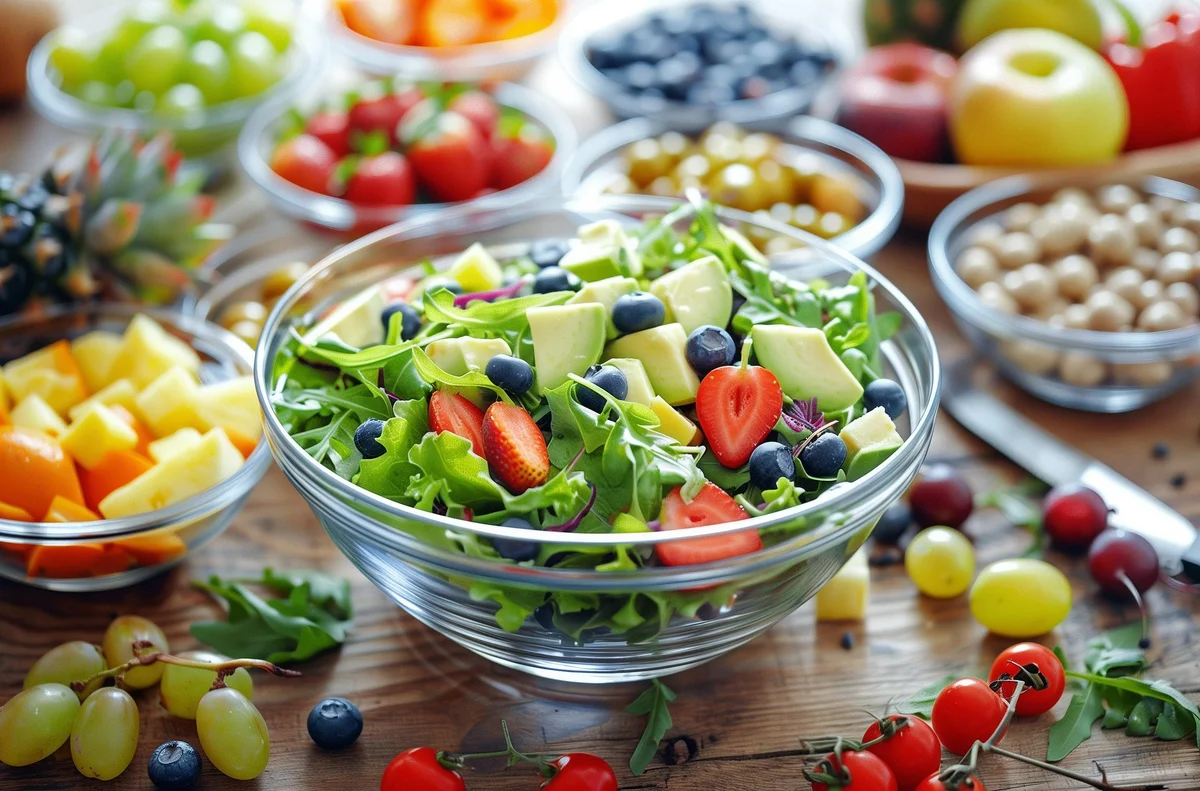
Morning (Breakfast): 3 whole eggs scrambled in 1 tsp pure ghee with sautéed spinach, onions, and crushed garlic, paired with a small bowl of fresh pomegranate seeds.
Mid-Afternoon Snack: A handful of raw pumpkin seeds and walnuts with a cup of unsweetened green tea or black coffee.
Evening (Dinner): Grilled wild salmon, chicken breast, or paneer/tofu alongside roasted seasonal vegetables drizzled with Extra Virgin Olive Oil, half an avocado, and a portion of complex carbohydrates (quinoa, brown rice, or millets) to help lower nighttime cortisol and promote deep sleep.
Why Diet + Standardized Botanicals Are the Ultimate Combination
While whole foods provide the essential building blocks for hormonal health, modern agricultural soil depletion and high-stress work schedules often mean that food alone isn't enough to overcome chronic cortisol elevation and cellular fatigue.
💡 Bridge the Gap Between Nutrition and Peak Vitality:
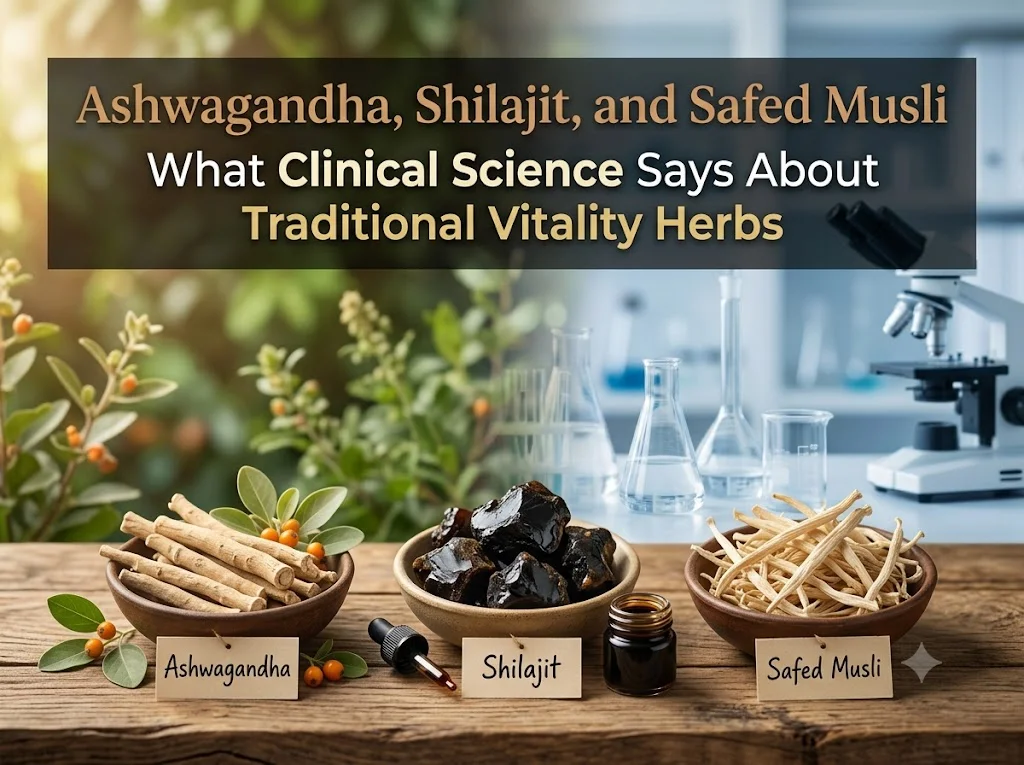
To get the most out of your testosterone-friendly diet, pair your daily nutrition with targeted Rasayana support. BULL FORSE™ Vito FP Capsule combines clinical-grade Ashwagandha Root Extract (to keep stress-induced cortisol from blocking your progress), Purified Himalayan Shilajit (to supercharge nutrient absorption and cellular ATP), and Standardized Safed Musli (to amplify nitric oxide pathways).
👉 See How BULL FORSE™ Vito FP Capsule Completes Your Daily Vitality Routine →
(100% Natural Extracts • Lab-Tested Purity • Discreet Doorstep Delivery)